Home / Compare
Compare Spices
Pick any 2 or 3 spices to see them side-by-side: scientific names, nutrition, health benefits, traditional uses, and practical intake.
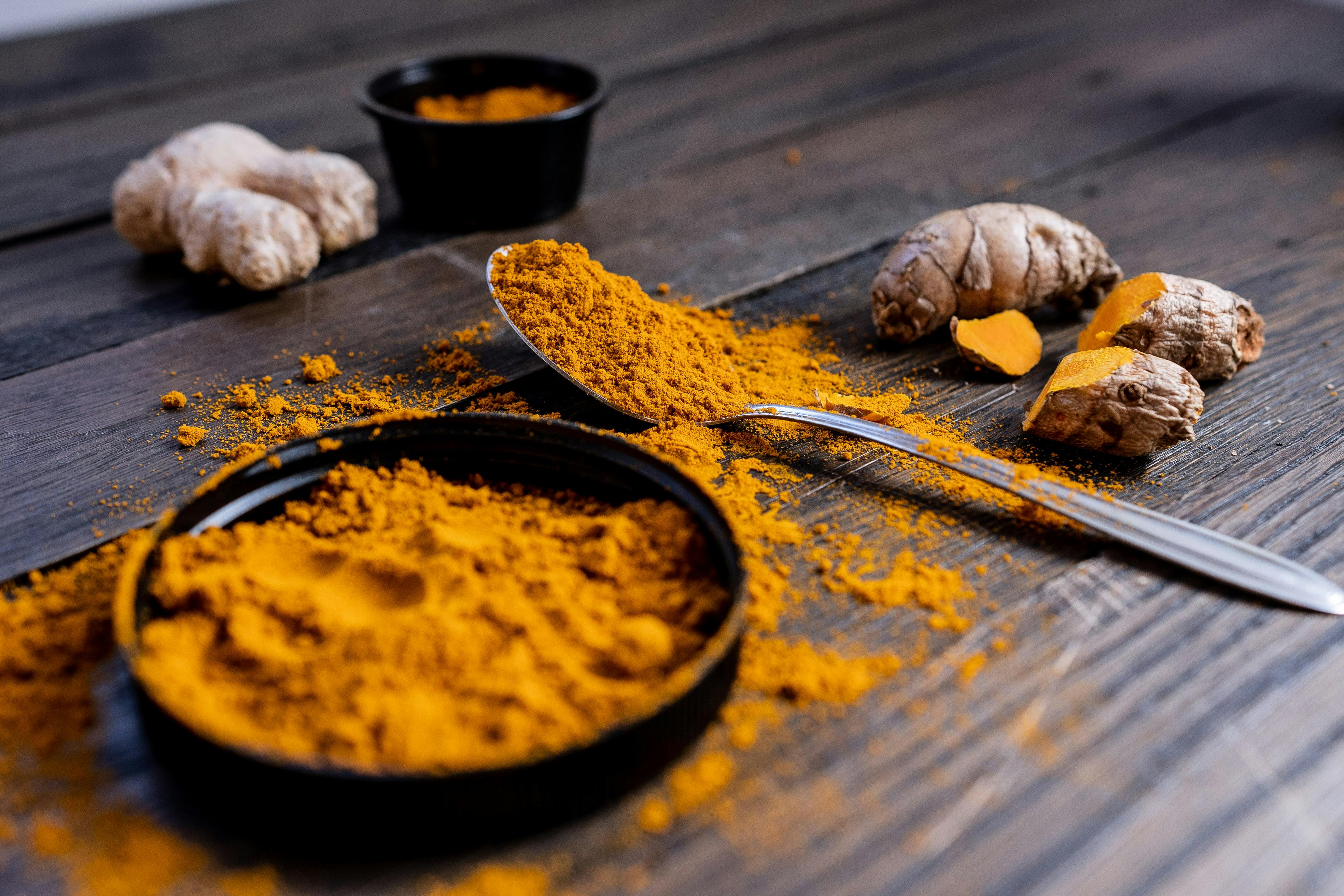

| Attribute | Turmeric | Black Pepper |
|---|---|---|
| Scientific Name | Curcuma longa | Piper nigrum |
| Family | Zingiberaceae | Piperaceae |
| Type | Root/Rhizome | Berry |
| Hindi Name | Haldi (हल्दी) | Kali Mirch (काली मिर्च) |
| Tamil Name | Manjal (மஞ்சள்) | Milagu (மிளகு) |
| Origin | Native to the Indian subcontinent and Southeast Asia, turmeric has been cultivated in India for over 4,000 years. Sanskrit medical treatises from 250 BCE mention it as a major Ayur… | Native to Kerala, India's Malabar Coast, cultivated for over 3,000 years. Known to ancient Egyptians (peppercorns were found in Ramses II's mummified nostrils). The pepper trade fu… |
| Calories (100g) | 312 kcal/100g | 251 kcal/100g |
| Protein | 9.7g | 10g |
| Fiber | 22.7g | 25g |
| Health Benefits | Anti-inflammatoryAntioxidantImmunityDigestive | DigestiveBioavailabilityAntioxidant |
| Cuisines | IndianMiddle EasternSoutheast Asian | UniversalIndianEuropeanAfrican |
| Top Benefit | Powerful Anti-inflammatory Curcumin blocks NF-kB, a molecule that travels into cell nuclei and triggers inflammation, helping with arthritis and chronic conditions.… | Boosts Nutrient Absorption Piperine increases curcumin bioavailability by 2000% and enhances absorption of B-vitamins, selenium and beta-carotene.… |
| Ayurvedic | In Ayurveda, turmeric (Haridra) balances all three doshas — Vata, Pitta, and Kapha. It is considered Ushna (heating), Tikta-Katu rasa (bitter-pungent taste), and Laghu (light). Used for skin diseases,… | Maricha in Ayurveda is part of the famous 'Trikatu' formulation (with long pepper and ginger) that ignites Agni (digestive fire). Pungent (Katu rasa), heating (Ushna virya), light. Balances Kapha and … |
| Culinary | Essential in curries, dals, rice dishes (like Indian-style yellow rice), pickles, marinades for fish and meat, and tea. Adds earthy bitterness and rich golden color. Pairs beautifully with black peppe… | The world's most-traded spice. Use freshly ground for maximum aroma — piperine and aromatic oils degrade quickly. Coarse grind on steaks, fine grind in sauces. Tellicherry and Malabar pepper are gourm… |
| Daily Intake | 1–3 grams of dried powder daily (about ½–1 teaspoon). Curcumin extracts: 500–2000 mg/day. Always consume with black pepper or fat for absorption. | 1-2 grams (½-1 teaspoon) daily is plenty. Always grind fresh. |
| Side Effects | Generally safe. High doses (>8g) may cause nausea or diarrhea. May increase stomach acid in sensitive individuals. Can stain skin, clothes, and counters. | Generally safe. Excess can cause stomach upset, heartburn, or trigger sneezing fits. Avoid touching eyes after handling. |
| Storage | Store ground turmeric in an airtight container away from direct sunlight. Fresh rhizomes last 2 weeks refrigerated, or freeze for 6 months. Ground pow | Whole peppercorns last 3-4 years sealed in dark, cool place. Pre-ground loses aroma in 3 months. Always grind fresh. |
Want a deep-dive? Visit each spice's full page: Turmeric, Black Pepper