Names Around the World
How this spice is known in major languages
Botanical Information
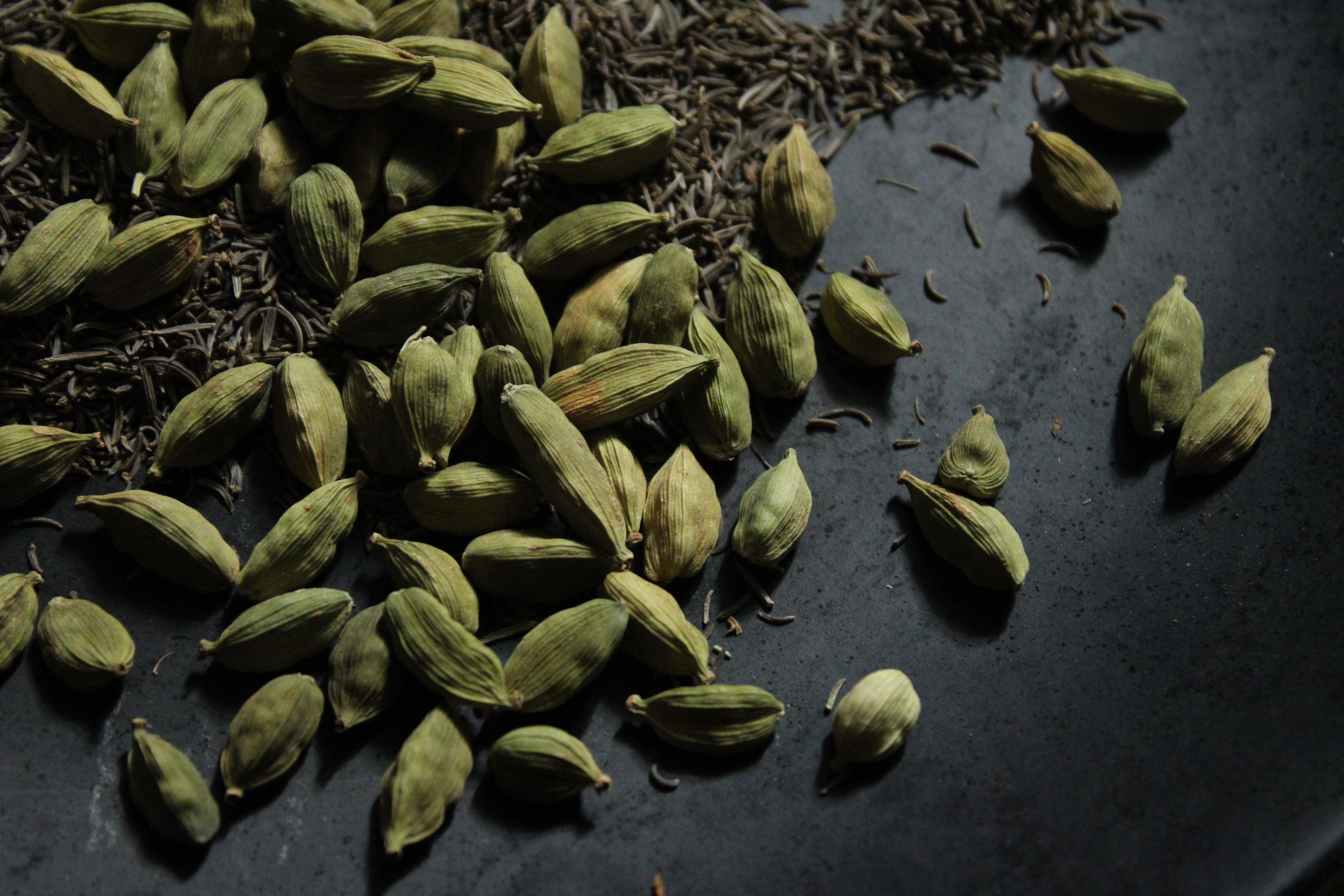
Cardamom is a perennial of the ginger family. Plants grow 2-4m with long lanceolate leaves. Tiny purple-veined flowers produce green seed pods (3-spike) containing 15-20 aromatic black seeds. The essential oils — cineole and terpinene — give cardamom its complex piney-citrus aroma.
Origin & History
Native to the Western Ghats of South India. Cultivated for over 1,000 years in Kerala. Now also grown in Guatemala (world's largest producer), Tanzania, and Sri Lanka. The Romans used it as a perfume and digestive aid.
Nutritional Profile
Per 100g
Key nutrients: High in manganese, iron, magnesium, zinc, and essential oils (cineole, terpinene).
Evidence-Based Health Benefits
Stimulates bile production and digestive enzymes, easing bloating and gas.
Studies show 3g daily for 12 weeks significantly reduced BP in pre-hypertensive adults.
Cineole has potent antibacterial action against oral pathogens.
Rich in polyphenols that combat oxidative stress.
Animal studies show cardamom may inhibit colon and skin cancer growth.
Ela (Ela) is Tridoshic in Ayurveda — balances all three doshas. Sweet-pungent (Madhura-Katu), cooling (Sheeta virya). Used for cough, asthma, halitosis, and as a 'Hridya' (heart tonic). 'Eladi' churna is a classical formulation for respiratory health.
Recipes Featuring This Spice
Black tea simmered with cardamom, ginger, cinnamon, and milk.
Indian ice cream perfumed with cardamom and pistachio.
Swedish cardamom buns — soft, buttery, sweet.
Safety & Precautions
1-2 pods per day or up to 1.5g of ground cardamom is plenty.
Generally safe. Rare allergic reactions. Excess can lower blood pressure too far in those on BP medication.
May interact with antihypertensives (additive effect), anticoagulants, and HIV medications by affecting CYP3A4.
Storage & Buying Guide
Whole pods in airtight jar — last 1+ year. Once cracked or ground, aroma fades in weeks. Store away from light and heat.
Look for plump, vibrant green pods (faded means old or bleached). Smell should be sharp and citrusy. Premium grades: 'Alleppey Green Extra Bold' from Kerala. Avoid yellowing pods.
Did You Know?
Cardamom is the world's 3rd most expensive spice (after saffron and vanilla).
Vikings discovered cardamom in Constantinople and took it home, where it remains a Scandinavian baking staple.
Guatemala produces more cardamom than India, exporting most to the Middle East.
Black and green cardamom come from related but different plants — never substitute one for the other.
Frequently Asked Questions
Black vs green cardamom?
Green is sweet/floral, used in desserts and chai. Black is smoky/savory, used in meat curries and dals.
Do I eat the whole pod?
No — crack the pod and use seeds, or leave whole during cooking and remove before serving.
Why is cardamom so expensive?
Hand-harvested, hand-graded, and requires 3-4 years of cultivation before bearing fruit.
Related Spices
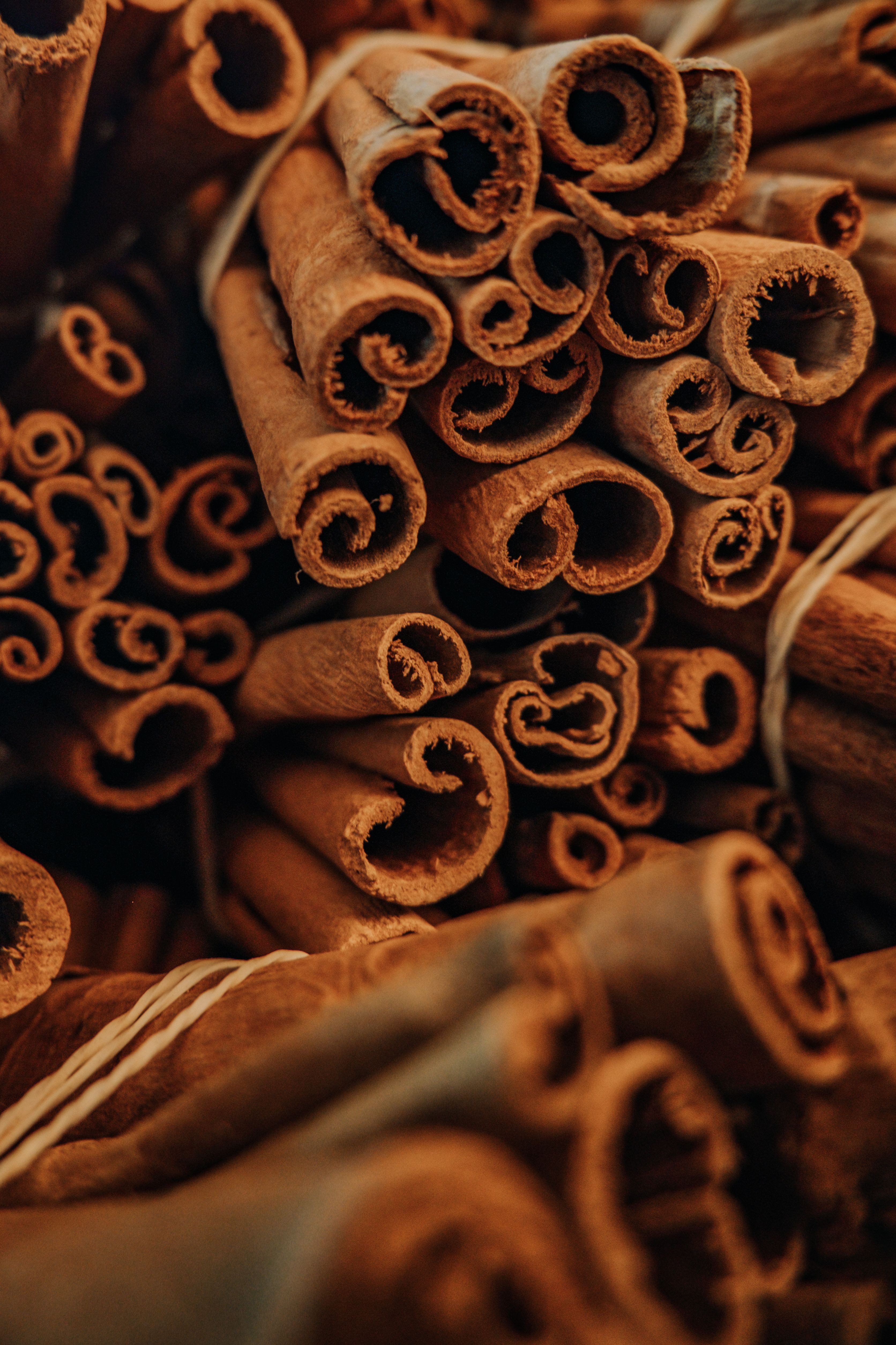
Cinnamomum verum / C. cassia
Cinnamon
Sweet, woody bark with ancient roots

Syzygium aromaticum
Cloves
Tiny flower buds with explosive flavor
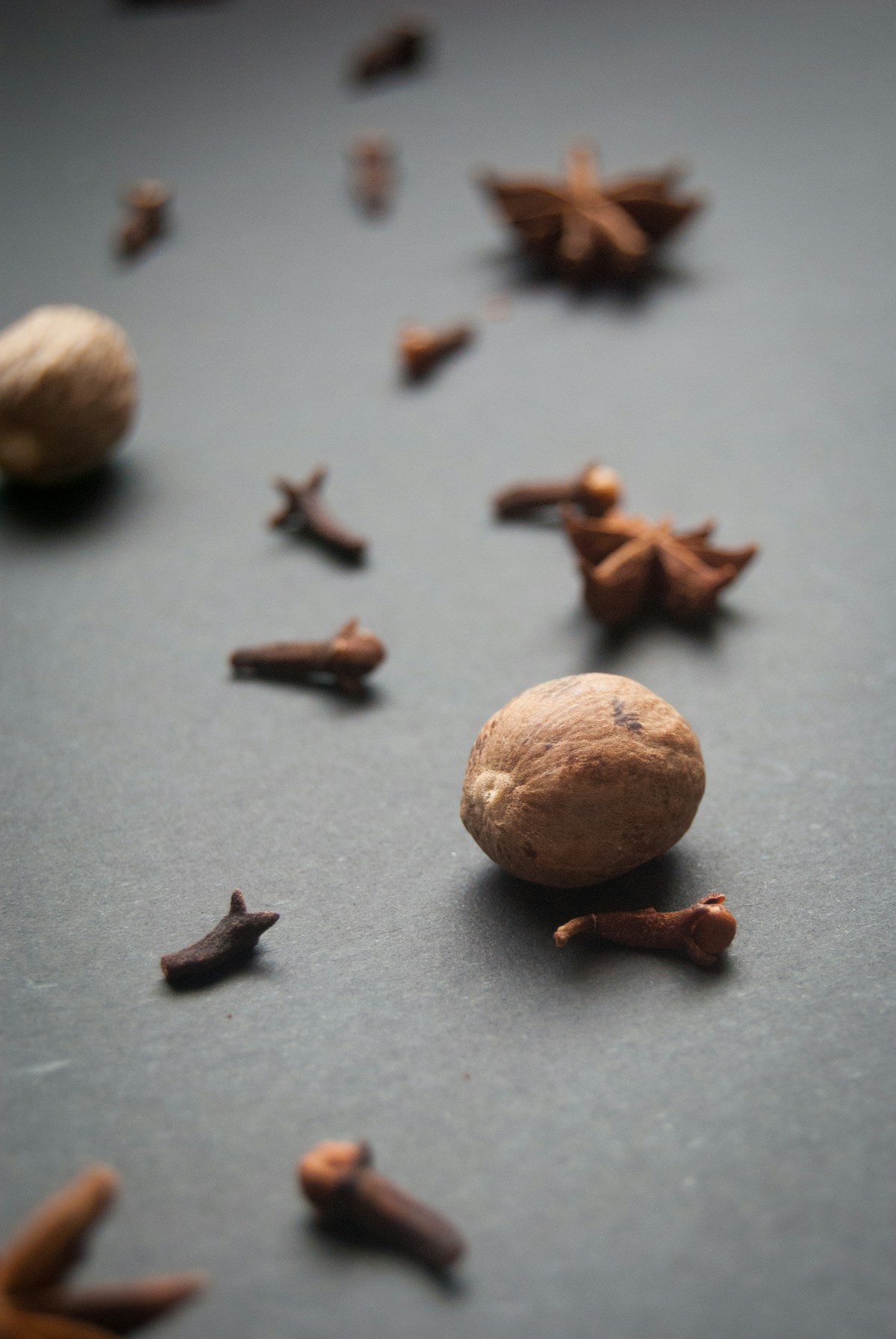
Myristica fragrans
Nutmeg
Warm, sweet seed that started wars
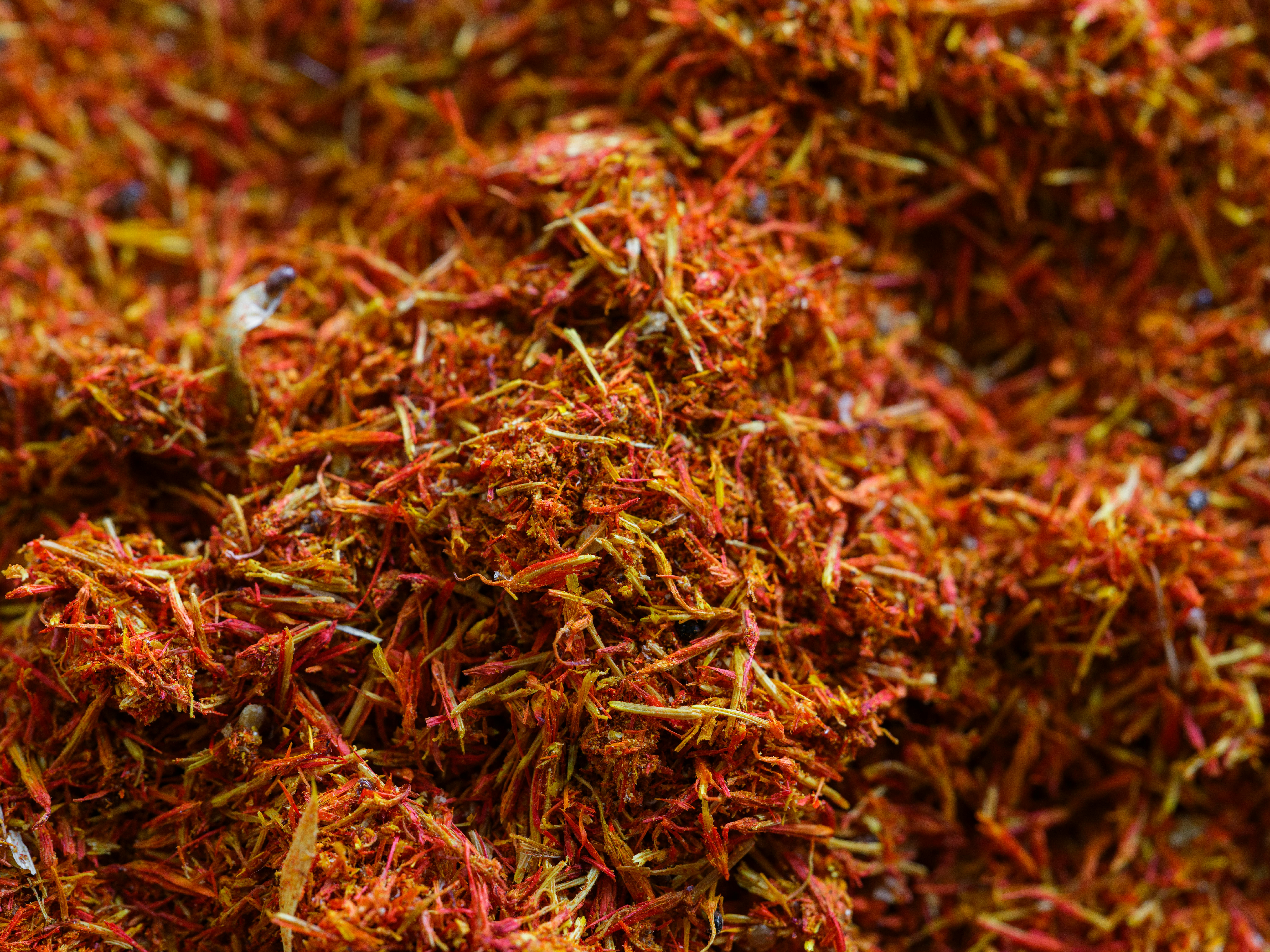
Crocus sativus
Saffron
The world's most precious spice
Community Reviews
Share your Cardamom experience
Loading reviews...