Names Around the World
How this spice is known in major languages
Botanical Information
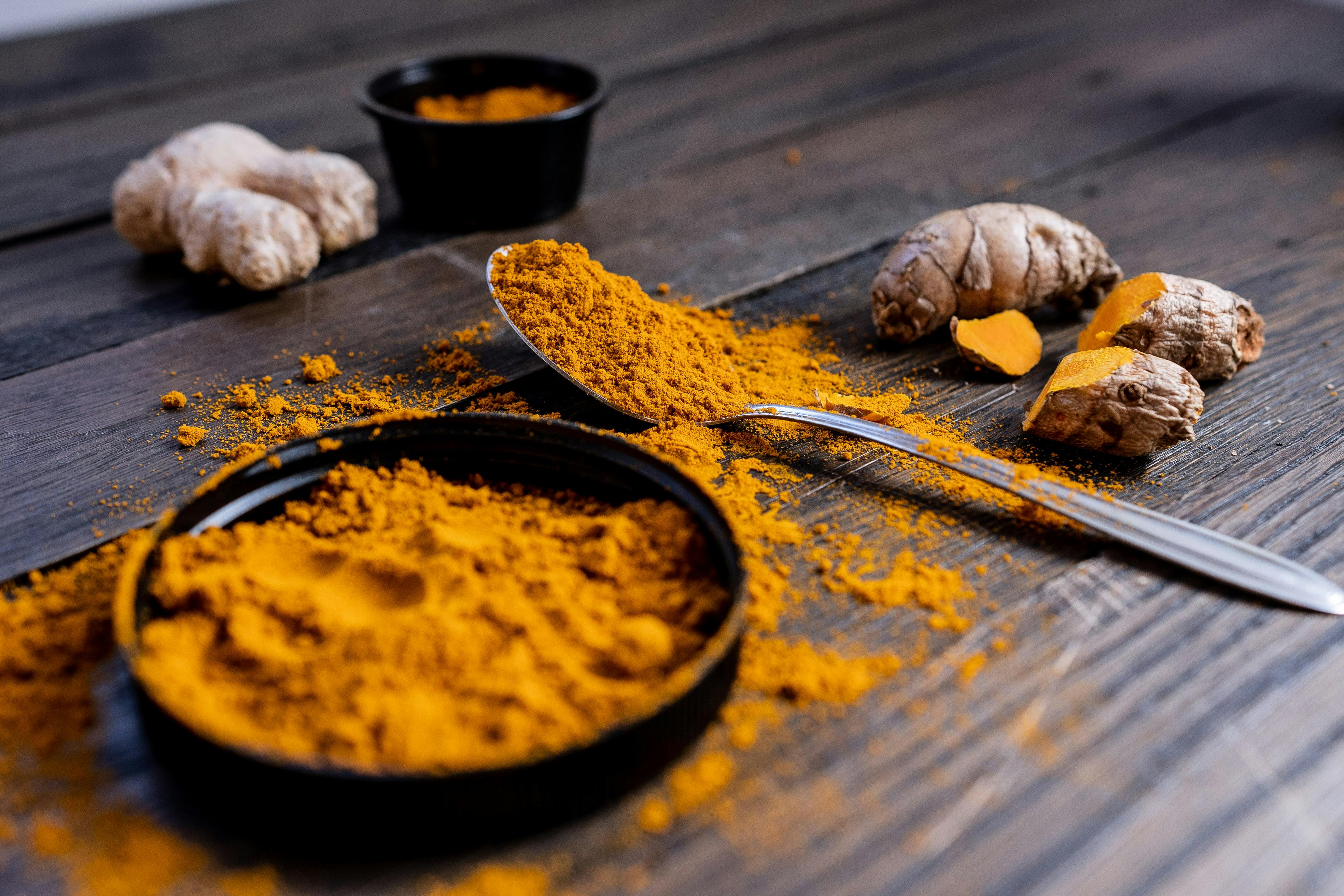
Turmeric is a perennial herbaceous plant growing up to 1 meter tall. It has trumpet-shaped, yellow flowers and rhizomes (underground stems) that are deep orange inside. The rhizomes are harvested, boiled, dried, and ground into the bright yellow powder known the world over. Its active compound is curcumin.
Origin & History
Native to the Indian subcontinent and Southeast Asia, turmeric has been cultivated in India for over 4,000 years. Sanskrit medical treatises from 250 BCE mention it as a major Ayurvedic herb. It traveled to China by 700 CE, East Africa by 800 CE, and Europe via Arab traders in the medieval era.
Nutritional Profile
Per 100g
Key nutrients: Rich in curcumin, manganese, iron, vitamin B6 and potassium.
Evidence-Based Health Benefits
Curcumin blocks NF-kB, a molecule that travels into cell nuclei and triggers inflammation, helping with arthritis and chronic conditions.
Neutralizes free radicals and boosts the body's own antioxidant enzymes.
Increases BDNF (brain-derived neurotrophic factor), potentially delaying age-related decline.
Improves endothelial function and reduces oxidation of LDL cholesterol.
Clinical trials show curcumin matches ibuprofen for knee osteoarthritis without side effects.
In Ayurveda, turmeric (Haridra) balances all three doshas — Vata, Pitta, and Kapha. It is considered Ushna (heating), Tikta-Katu rasa (bitter-pungent taste), and Laghu (light). Used for skin diseases, diabetes (Prameha), liver health, and as a blood purifier (Rakta shodhaka). The classical formulation 'Haridra Khanda' treats allergies and skin issues.
Recipes Featuring This Spice
Warm milk + turmeric + black pepper + honey for immunity.
Aromatic curry with onions, tomatoes, and yogurt.
Fragrant basmati rice with turmeric, cumin and bay leaf.
Safety & Precautions
1–3 grams of dried powder daily (about ½–1 teaspoon). Curcumin extracts: 500–2000 mg/day. Always consume with black pepper or fat for absorption.
Generally safe. High doses (>8g) may cause nausea or diarrhea. May increase stomach acid in sensitive individuals. Can stain skin, clothes, and counters.
Blood thinners (warfarin, aspirin) — may enhance effect. Diabetes medications — may lower blood sugar further. Stomach acid reducers — may interfere. Consult a doctor before high-dose supplementation.
Storage & Buying Guide
Store ground turmeric in an airtight container away from direct sunlight. Fresh rhizomes last 2 weeks refrigerated, or freeze for 6 months. Ground powder retains potency for 6–12 months.
Look for vibrant orange-yellow powder with strong aroma. Organic, single-origin (Alleppey or Salem turmeric are prized) varieties have higher curcumin (5–7%). Avoid pale yellow or dusty-smelling product.
Did You Know?
Pre-Vedic Indians used turmeric over 4,000 years ago.
India produces 80% of the world's turmeric.
Curcumin gives turmeric its color and most health benefits — but it's only 3% of the spice.
Marco Polo described it in 1280 CE as 'a vegetable with the properties of saffron.'
Frequently Asked Questions
Can I take turmeric daily?
Yes, up to 3g of powder or 500-2000mg of curcumin extract is generally safe for daily consumption.
Does turmeric really reduce inflammation?
Yes — over 200 clinical studies show curcumin reduces inflammatory markers when taken with black pepper or fat.
Can turmeric whiten teeth?
Surprisingly yes — though it stains everything else, turmeric paste used as toothpaste has shown whitening effects.
Is fresh or powdered turmeric better?
Fresh has more enzymes; powder is more concentrated. Both have benefits — use both!
Related Spices

Community Reviews
Share your Turmeric experience
Loading reviews...