
Names Around the World
How this spice is known in major languages
Botanical Information
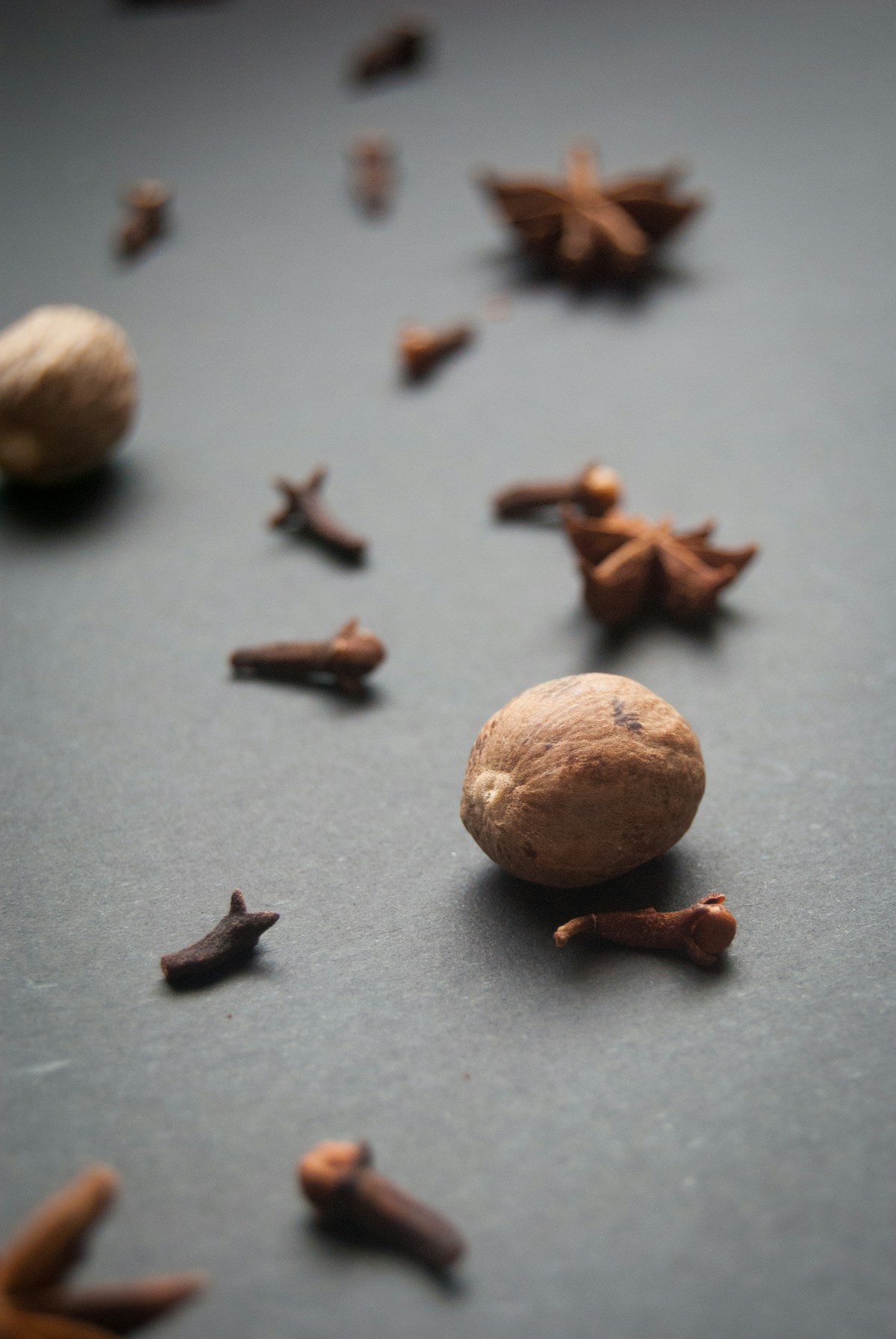
Cloves are dried unopened flower buds of the evergreen Syzygium aromaticum tree, which can grow 8-12m. Buds are hand-picked just before they open, then sun-dried until they turn deep brown. The essential oil is 60-90% eugenol, the source of clove's characteristic warm aroma and numbing effect.
Origin & History
Native to the Maluku 'Spice Islands' of Indonesia. The Portuguese controlled the trade from 1512, then Dutch, who notoriously destroyed clove trees outside their monopoly. A French missionary smuggled seedlings to Mauritius in 1770, breaking the monopoly.
Nutritional Profile
Per 100g
Key nutrients: Extraordinarily high in manganese (231% RDI per teaspoon), antioxidants (eugenol), vitamin K and fiber.
Evidence-Based Health Benefits
Eugenol is a natural local anesthetic — clove oil has been used for toothaches for over 1,000 years and is FDA-approved.
Cloves have one of the highest ORAC values of any food — 314,446 µmol TE/100g.
Kills oral bacteria, E. coli, and even drug-resistant Staphylococcus in lab studies.
Eugenol reduces liver inflammation and oxidative stress in animal studies.
Studies show cloves improve insulin function in type 2 diabetics.
Lavanga is heating (Ushna), pungent-bitter, light. Balances Kapha and Vata, increases Pitta. Used for cough, indigestion, toothache, and as a 'Krimighna' (anti-parasitic). 'Lavangadi Vati' tablets treat respiratory issues.
Recipes Featuring This Spice
Red wine simmered with cloves, cinnamon, citrus and sugar.
Holiday ham scored, studded with cloves, brushed with maple-mustard glaze.
Cloves with cardamom, ginger, cinnamon, and pepper for endless chai.
Safety & Precautions
1-2 whole cloves daily, or up to ¼ tsp ground. Clove oil is potent — never undiluted internally.
Generally safe in food. Concentrated clove oil can damage liver and cause seizures if ingested. Topical use can irritate skin/gums.
Blood thinners (eugenol slows clotting). Diabetes drugs (additive lowering). Avoid before surgery.
Storage & Buying Guide
Whole cloves last 2-3 years airtight. Ground: 6 months. Cloves remain potent longer than most ground spices.
Look for plump, oily cloves — squeeze; should release fragrant oil. Avoid dry, brittle, or pale buds. Madagascar and Zanzibar cloves are top quality.
Did You Know?
Cloves were once used as currency in ancient China.
Indonesia produces 80% of world cloves — most go into clove cigarettes (kretek).
Han Dynasty courtiers had to chew cloves before addressing the emperor.
Clove oil's eugenol is still used in modern dentistry as an antiseptic.
Frequently Asked Questions
Can I chew cloves daily?
1-2 whole cloves chewed slowly are safe and help breath and digestion.
Does clove oil really stop toothache?
Yes — eugenol is a clinically proven local anesthetic. Apply a tiny amount on cotton to the tooth, not the gum.
Why are cloves so flavorful?
Cloves contain 14-20% essential oil — among the highest of any spice.
Related Spices

Community Reviews
Share your Cloves experience
Loading reviews...